
Best Practices for Using Shockwave Therapy in Musculoskeletal Care
Shockwave therapy has emerged as an effective, non-invasive treatment for various musculoskeletal conditions, including tendinopathies, plantar fasciitis, joint pain, and soft tissue injuries. At Gerlach Chiropractic, we use this advanced therapy to help accelerate healing, reduce pain, and improve mobility. Understanding the best practices for shockwave therapy ensures optimal outcomes for patients seeking relief from chronic pain and injuries.
How Shockwave Therapy Supports Healing
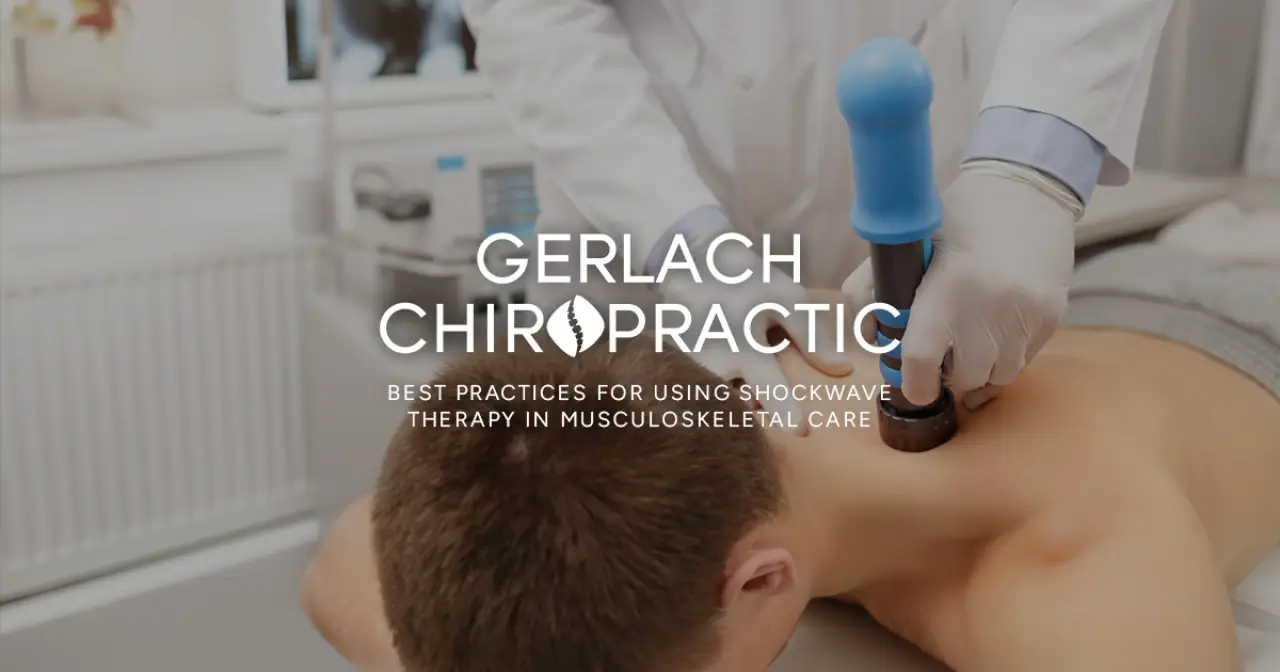
Extracorporeal shockwave therapy (ESWT) delivers high-energy sound waves to targeted areas of the musculoskeletal system, stimulating the body's natural healing response. The therapy promotes cellular regeneration, increases blood flow, and reduces inflammation, making it a valuable treatment for conditions that have not responded to traditional therapies.
There are two primary types of shockwave therapy:
- Focused Shockwave Therapy (F-SWT): Delivers high-intensity waves that penetrate deeper tissues, making it effective for treating conditions like calcific tendinopathy and bone-related injuries.
- Radial Shockwave Therapy (R-SWT): Produces waves that disperse outward, primarily targeting superficial tissues for conditions like plantar fasciitis and muscle injuries.
Best Practices for Effective Shockwave Therapy
To maximize the benefits of shockwave therapy, certain best practices should be followed:
- Patient assessment and individualized treatment plans: A comprehensive evaluation should be conducted to determine the most appropriate shockwave therapy approach, whether focused or radial.
- Targeted application: Shockwave therapy should be applied based on clinical focusing, identifying primary and secondary sites of pain for maximum relief.
- Energy and frequency adjustments: Treatment parameters should be adjusted according to tissue type, severity of injury, and patient tolerance.
- Avoiding anesthesia during treatment: Local anesthetics can reduce treatment efficacy by interfering with the body’s response to shockwaves.
- Consistent treatment sessions: Typically, 3 to 5 sessions at weekly intervals provide the best outcomes for chronic pain conditions.
- Post-treatment guidance: Patients should avoid anti-inflammatory medications (NSAIDs) post-treatment, as they can interfere with healing. Instead, they should focus on gentle movement, hydration, and proper recovery protocols.
Experience Cutting-Edge Musculoskeletal Care at Gerlach Chiropractic
Shockwave therapy is an effective, evidence-based treatment for many chronic musculoskeletal conditions. Whether you're dealing with tendon injuries, joint pain, or soft tissue inflammation, our team at Gerlach Chiropractic is here to help. Contact us today to schedule a consultation and discover how advanced chiropractic care can support your recovery and overall wellness.
To learn more about best practices for shockwave therapy, refer to Best Practices for Extracorporeal Shockwave Therapy in Musculoskeletal Medicine: Clinical Application and Training Considerations.